David Wright · 1 November 2026 · 4 min read
One Smartwatch, 30 Perspectives: Evolution at ESOMAR Congress
At ESOMAR Congress in Valencia in 2026, our live Evolution wall turned a smartwatch image into a shared experiment in product co-creation.
What happens when a room can redesign a product together? At ESOMAR Congress in Valencia in 2026, around 30 people contributed to a smartwatch on our live Evolution wall. Their ideas changed its straps, shape, display, and imagined features, making both the creative possibilities and the needs behind them visible.
An invitation to build on each other’s ideas
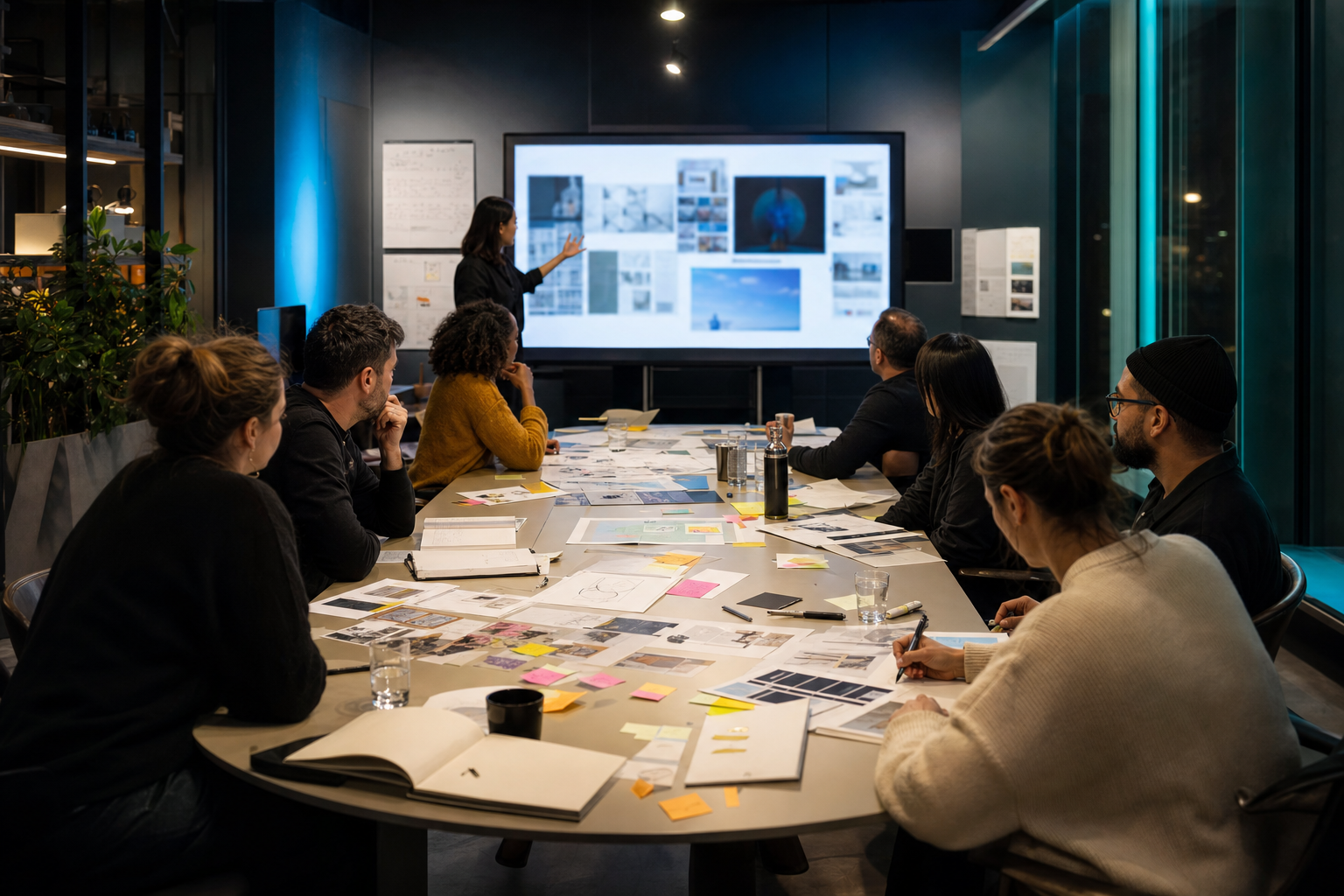
We brought Evolution to the conference as a live, shared creative experience. The theme was simple: “Smart watch”. People could join through a QR code and suggest changes to the overall product or focus on one of its parts. Each contribution became something the next person could react to and develop.
The video captures the resulting smartwatch evolution. Across the event, we also explored robot toys, cars, and Korean-inspired cosmetics. The appeal was being able to see an idea take shape while the conversation was still happening.
How the Evolution wall works
Evolution starts with an uploaded product image or advertisement. It breaks the image into component thumbnails, giving participants a choice: change the whole image or work on a particular detail.
Every three new parts are merged into an image. Periodically, a video brings the ideas together. Along the bottom of the wall, the component history shows how the individual parts have evolved—for example, from plastic wristbands towards metal ones.
That history gives the group something concrete to discuss. A strap, face, or finish can carry a very different idea of who the product is for and when they might wear it.
- Start with a product image or an ad.
- Join through a QR code and change the whole image or an individual part.
- See every three new parts combine into a fresh image.
- Follow the component history and watch periodic videos bring the ideas together.
A watch that fits more of everyday life
The contributions pointed towards a smartwatch that felt more personal, comfortable, and easy to wear across sport, everyday life, and formal occasions. People imagined soft, flexible, waterproof straps and expandable bands without clasps. Others explored metal chains, gold finishes, bold colours, and patterned straps.
These were different ways of answering a shared question: how could a smartwatch feel more like something I would choose to wear? Sleeker shapes, smaller sizes, and clear screens suggested a desire to balance style with practicality. The changes made those preferences visible in the product itself.
Useful support, with a little more personality
People also wanted useful health and lifestyle support: sleep and step tracking, heart-rate monitoring, an overall health score, longer battery life, GPS guidance, and music control without a nearby phone.
Some ideas gave that support a more expressive form. A watch might prompt its wearer to exercise, relax, or read. A butterfly could become more colourful as goals were achieved. An ocean-inspired display could change with the time of day.
Together, these contributions opened up a conversation about how a watch could feel helpful and personal. They were ideas generated in a conference exercise, rather than validated product requirements or a representative study of smartwatch buyers.
The prompts tell the story behind the pictures
Behind the wall, we store the prompts. This lets us look back at the direction of travel: what people asked to change, the needs they expressed, and how those requests developed across the session.
The images make the workshop tangible; the prompts help us interpret what happened. A move towards a softer strap can be considered alongside a request for comfort. A more decorative face can be explored alongside the desire to wear the watch in a formal setting. Those connections give a facilitator useful questions to take back to the group.
From a conference wall to a bigger shared canvas
Around 30 people worked on this smartwatch. The next ambition is a larger-scale version in which hundreds of people could take part. That is an opportunity we would love to explore, building on what we learned in Valencia.
For now, the conference showed how a shared visual process can bring a workshop to life. People can contribute a small change, see it become part of something larger, and discuss what the evolving product says about their priorities.
If you are planning a workshop or event, we would love to talk about what your participants could create together.
Need a direct answer?
Explore Whale’s collaboration and AI workshop FAQ.
Find clear answers to common questions about digital collaboration platforms, creative workshops, evidence-led innovation, and generative AI.
Visit the FAQ